INTERNSHIP

Optimizing core financial and telecom experiences to rebuild user trust and confidence in the platform
WHAT IS VIETTEL?
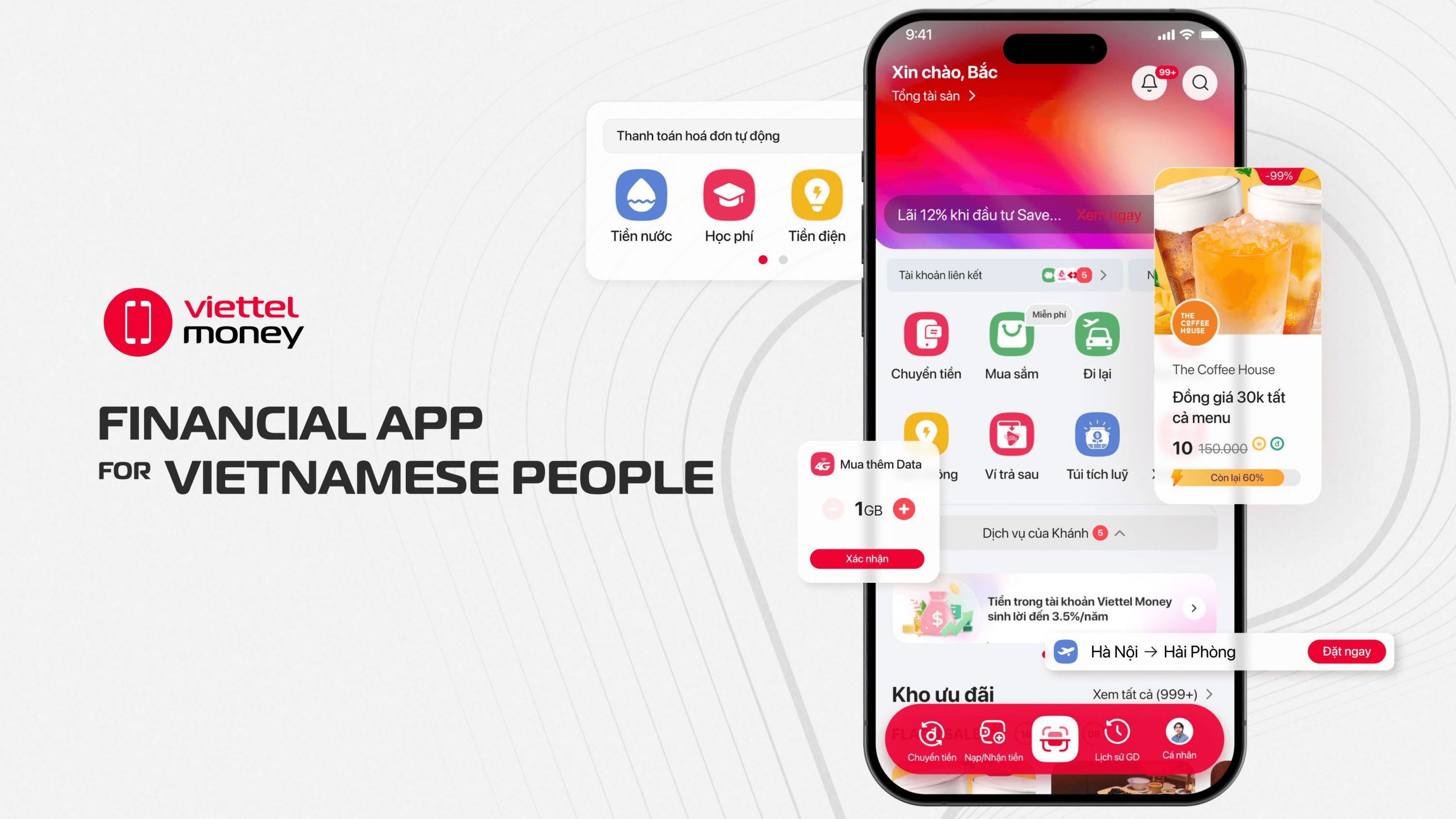
Viettel Money is a comprehensive digital financial ecosystem developed by Viettel Inc, a major multinational provider of mobile network, digital services, and technology infrastructure. The platform serves over 5 million users across Vietnam and provides services such as digital payments, money transfers, and financial management tools.
My main project focused on the Telecom Self-Management Service (TSMS), a feature designed to help Viettel Telecom subscribers manage their mobile services directly within the Viettel Money app.
[TLDR] MY WORK
✓ Proposed and designed a telecom self-management hub that makes it easier for users to track plans, top up, and manage subscriptions —> no more confusing SMS codes!
✓ Added real-time usage visualization, smart shortcuts, and personalized plan recommendations to cut down friction.
✓ Improved billing transparency so users actually understand where their money goes and restore trust in customers.
✓ Conducted multiple interviews with 40 telecom users across different age groups and digital literacy levels to define user pain points and product requirements.
✓ Designed high quality presentations for the implementation strategies and built design system.
✓ Presented design iterations, documentations, and proposals to department leadership.
ROLE
UX Design Intern
COLLABORATIONS
Product Development Department
02 UX Designers
01 Product Manager
02 Software Developers
SKILLS
Ideation, UX research, Usability Testing, User Interview, UIUX design
TOOLS
Figma, Figjam
IMPACT
Launched new Telecom Self-Management Service feature
& Increased telecom-related revenue and user satisfaction
✓ Telecom-related purchase increased by 40%, standing at 237,000 purchases/month
✓ Telecom subscription revenue increased by 25%, approximately 8,000 USD/month
✓ App users reported an overall 20% improvement in satisfaction
PROBLEM BRIEF
Although Viettel Money provides a comprehensive financial platform, it currently lacks essential self-management features for Viettel Telecom users. As a result, users cannot conveniently execute tasks such as checking their account details, subscription plans, topping up their phone balance or purchasing data packages within the app, leading to potential service disruptions.
How might we
Build a seamless and transparent self-management system that not only enhances convenience but also restores trust between Viettel and our customer?
SOLUTION
Enabling customers to proactively access account information and manage subscription packages directly within the app
Leveraging Viettel's telecom infrastructure to implement self-management features on the Viettel Money App
DEDICATED TSMS HUB
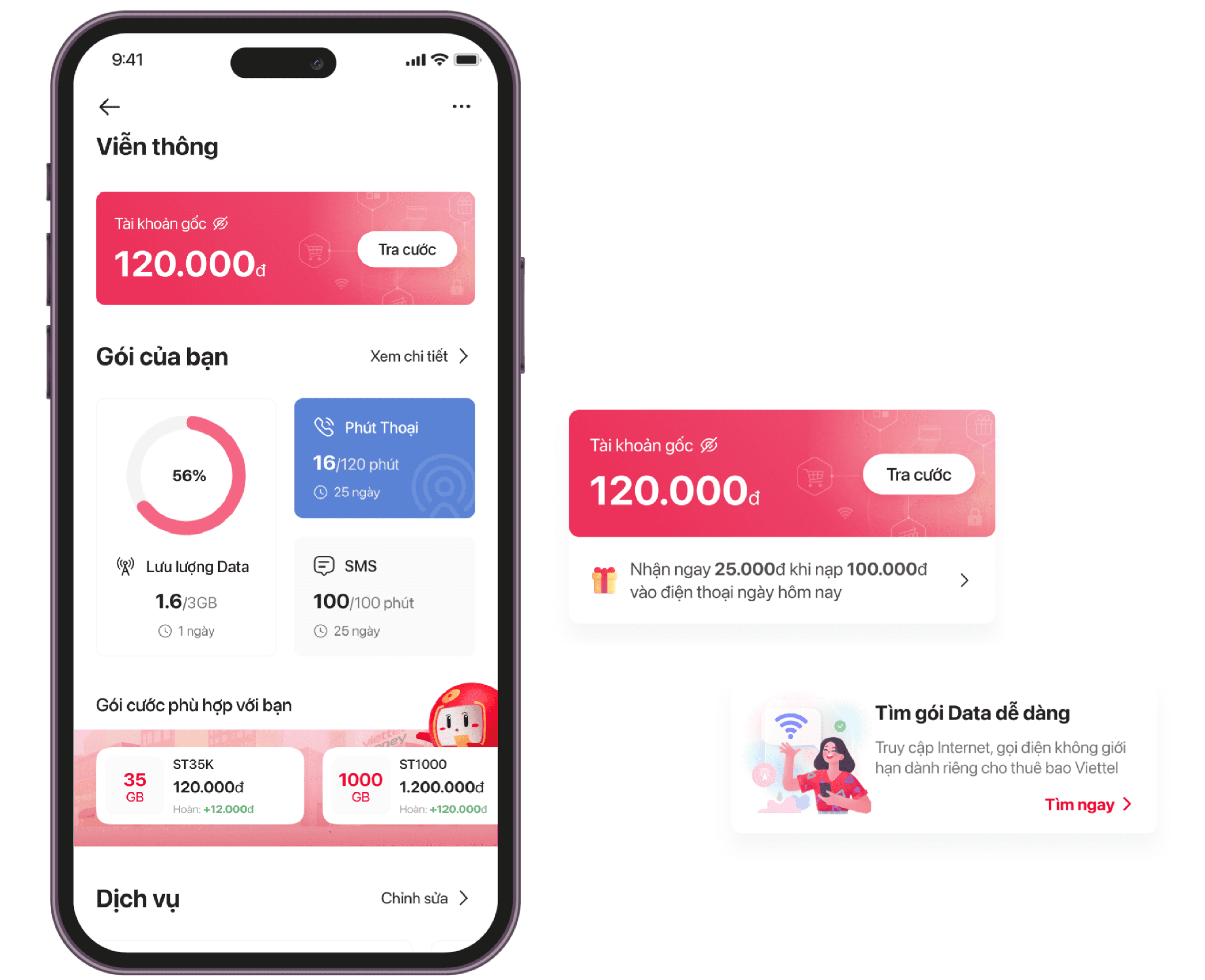
A separate hub within the app allows users to manage their telecom services efficiently, eliminating the need to navigate through multiple sections. This improves navigation and accessibility, making it easier for users to discover and access services.
Users can monitor telecom usage through real-time usage visualization, reducing reliance on text-based logs and cognitive load. Key information is displayed directly on the main hub, enabling users to stay updated on their telecom usage effortlessly. This feature simplifies information processing and enhances user awareness of their consumption.
TELECOM PURCHASE SHORTCUT
Compare to the initial design, I proposed integrating a shortcut to manage all telecom-related purchase and bills on the main hub. This provides quick access to essential telecom services, allowing users to recharge, check balances, and manage plans effortlessly in one place. This reduces navigation time and enhances user convenience.
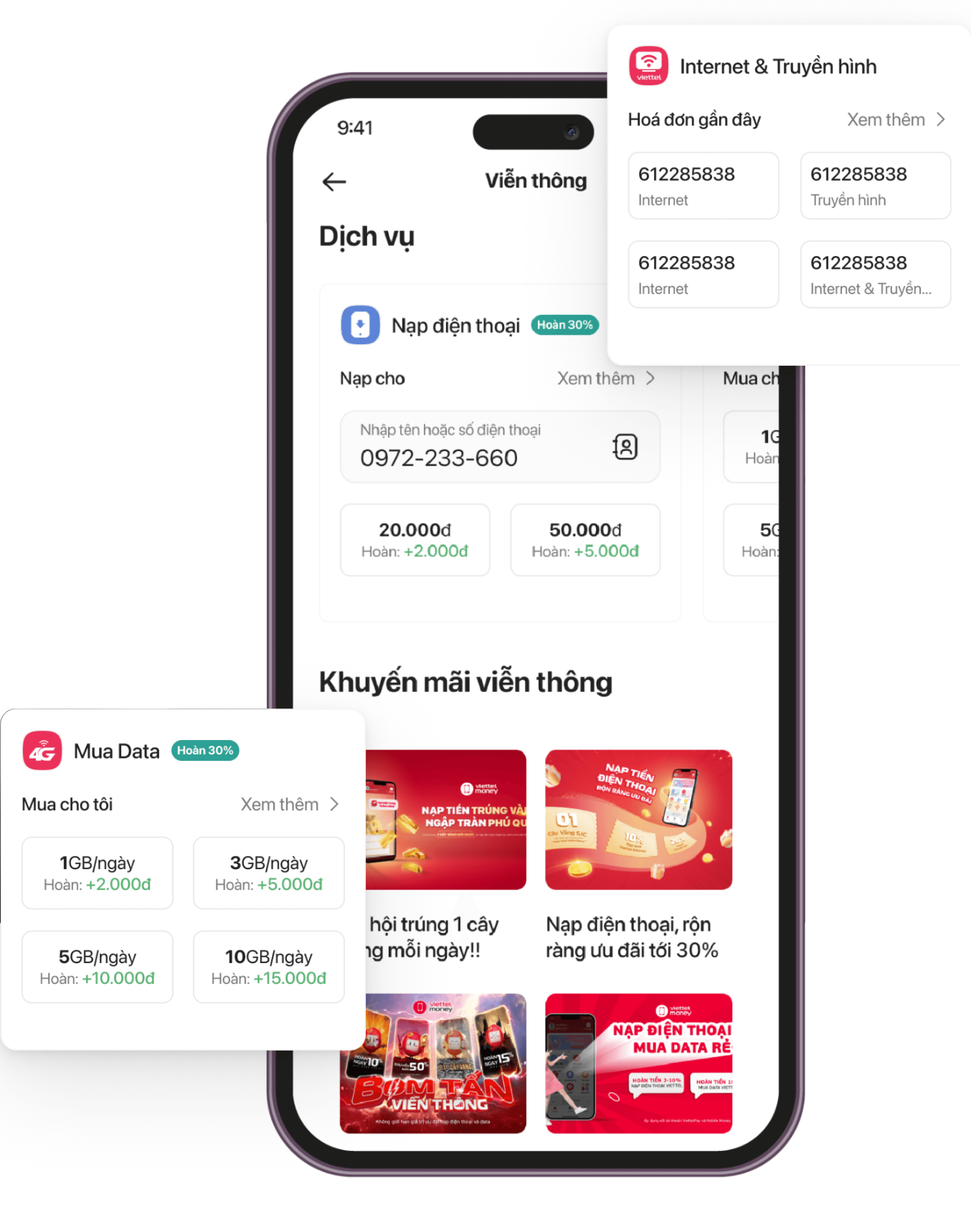
We also introduced a personalized recommendation feature that suggests recharge amounts and plan options based on users' recent transactions and business needs. This ensures they receive relevant and efficient service choices without the need for manual searches.
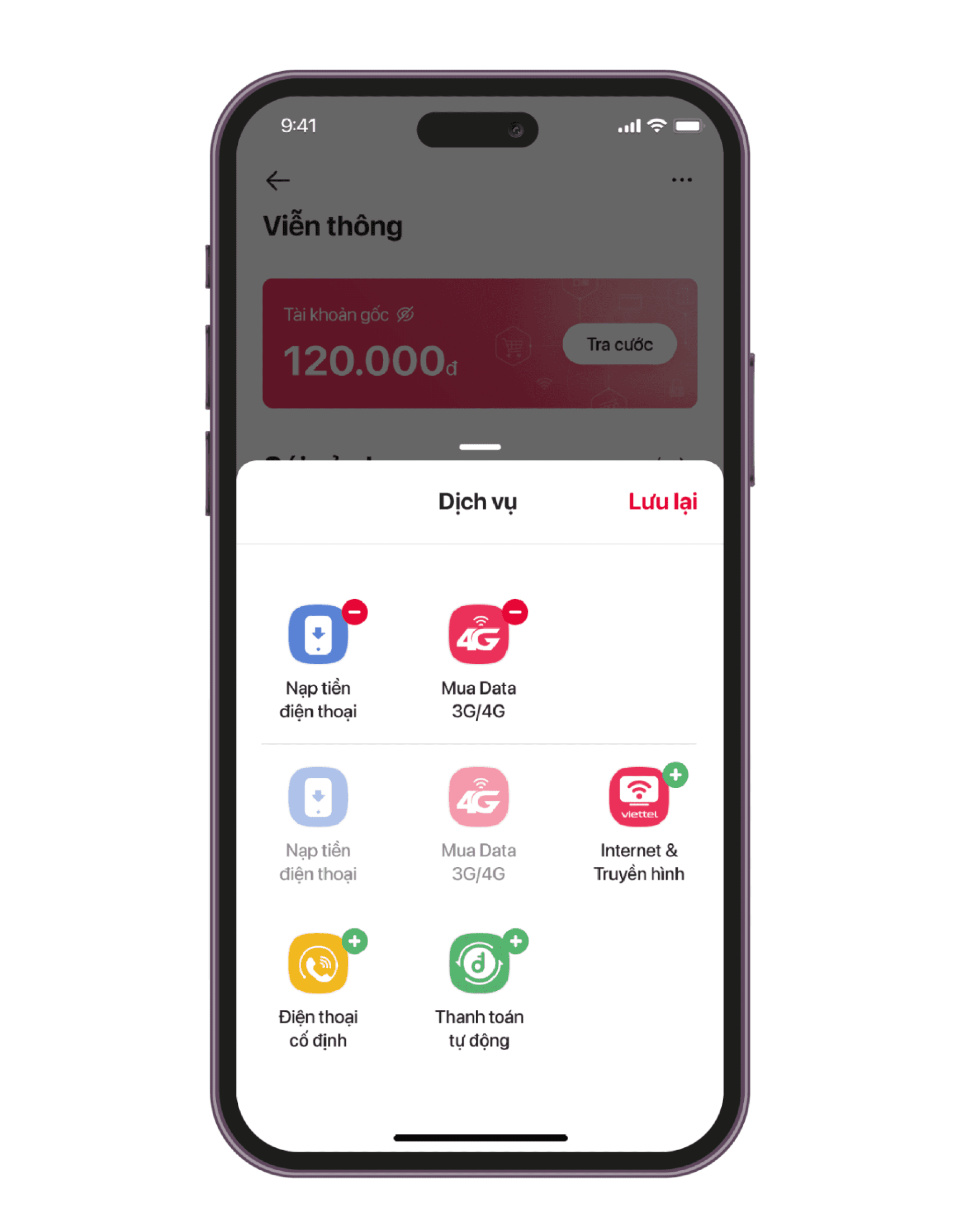
And we made it customizable!
SUBSCRIPTION
Easily accessible from main hub to view active subscriptions
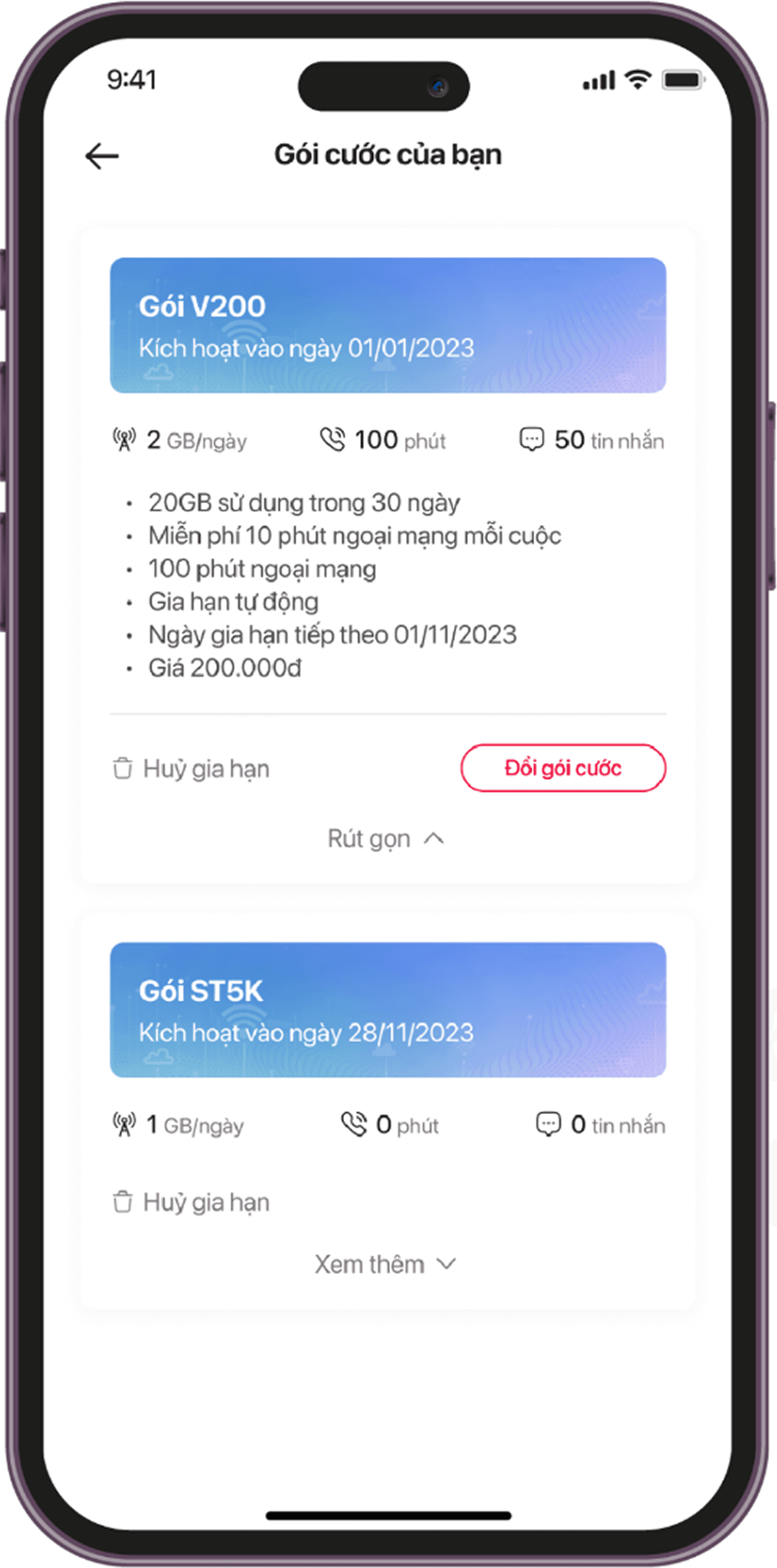
Manage subscriptions, cancel renewals, or switch plans seamlessly all in one place.
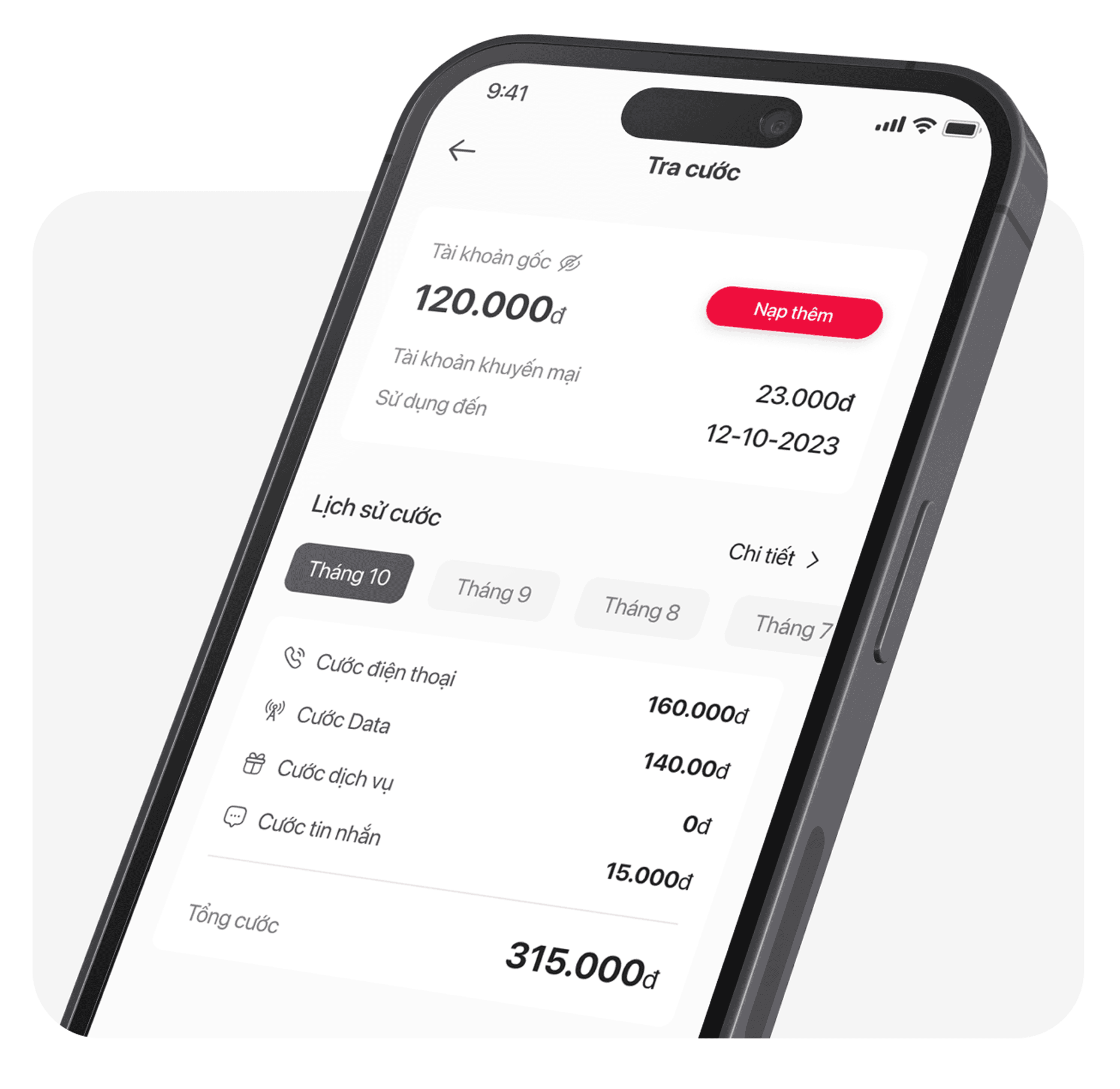
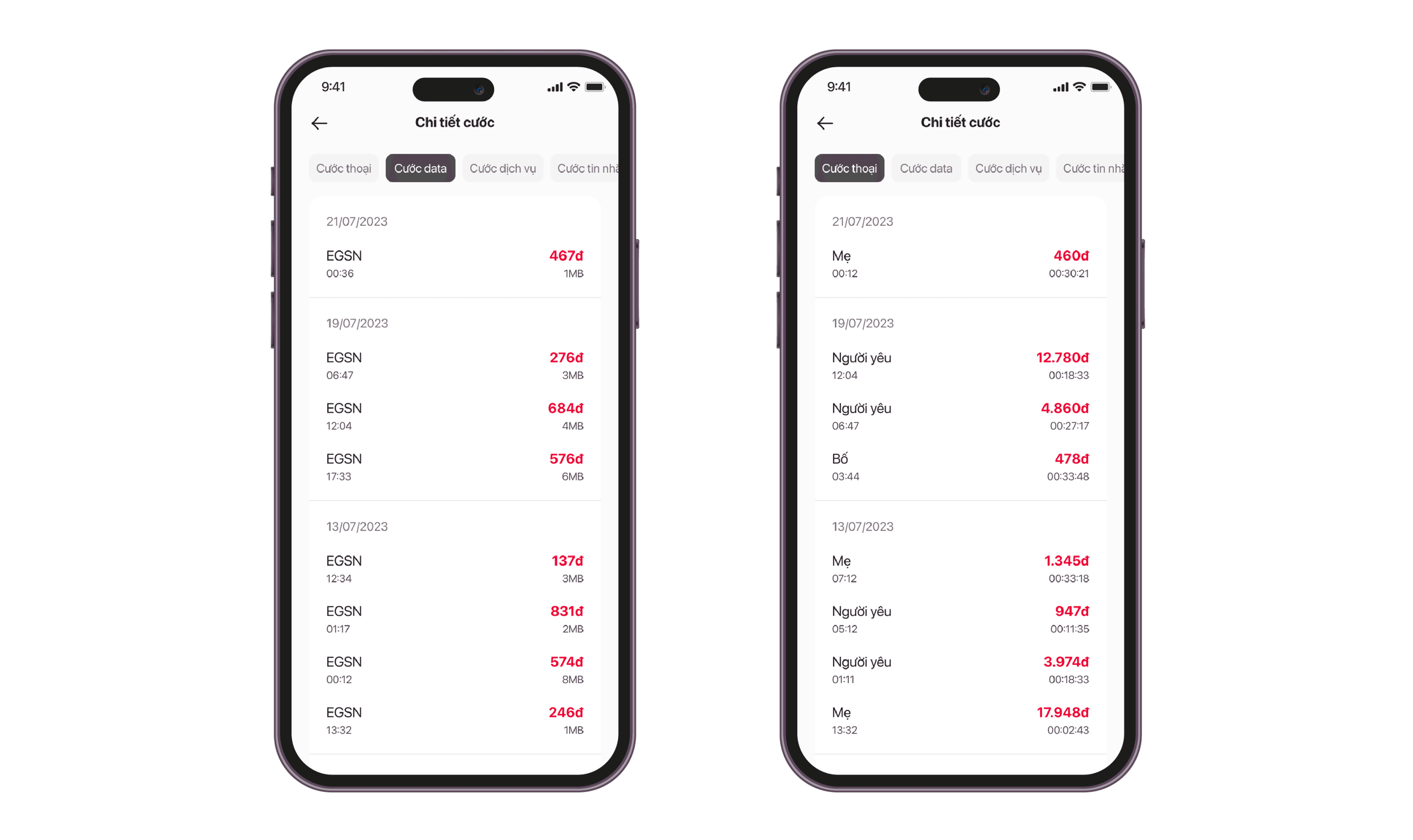
BILLING HISTORY
Real-Time Balance Updates keeps users informed about their balance and upcoming charges prevents unexpected service disruptions
RESEARCH
Understanding customers pain points that lead to the lost of trust
KEY INSIGHTS
From our research, several clear patterns emerged about how users manage their telecom services and why current solutions fail to build strong user confidence
PAIN POINTS
01
FRAGMENTED SERVICE MANAGEMENT
Most users currently rely on SMS or USSD codes to manage subscriptions, view history, and modify plans, creating a fragmented and inconvenient experience.
02
INFORMATION OVERLOAD
Existing telecom apps present too much text-based information and complex navigation, making it difficult for users to quickly understand their account status.
03
LACK OF REAL-TIME VISIBILITY
Users want quick access to balance and usage tracking, especially for data plans. Current solutions often hide these details behind multiple steps.
04
LOW AWARENESS OF SELF-MANAGEMENT FEATURES
Many users were not aware that telecom self-service tools already existed within apps.
OPPORTUNITY
Create a centralized hub for telecom management that consolidates balance, plans, and usage information
Simplify the interface and introduce visual data representations to make information easier to scan and understand
Ensuring a user-friendly experience suitable for both adults and younger users
Surface real-time account information directly on the main dashboard
Enhance navigation and accessibility for easier service discovery
Personalize user engagement with proactive reminders and recommendations
DESK RESEARCH - WHY DO USERS NEED TSMS?
Current methods are outdated, inconvenient, and lack transparency
Purchasing physical phone cards requires users to find a store, buy a scratch card, and manually enter a long code to top up their balance. This process is time-consuming, especially in urgent situations or when stores are closed. Additionally, there is a risk of entering the wrong code, leading to failed transactions and frustration.
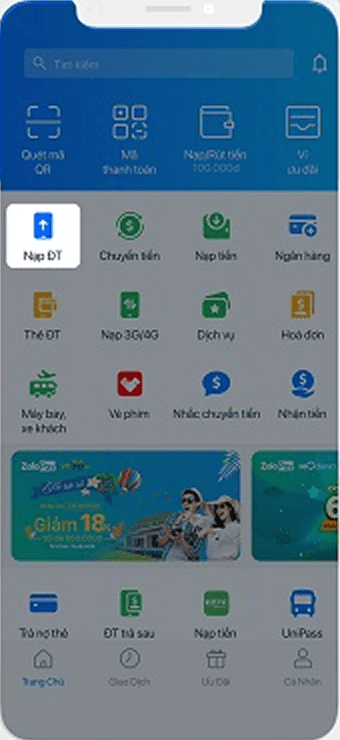
While other e-wallets allow users to top up their phone credit, they lack essential features such as detailed information on active plans, data usage, or personalized promotions. Users often have to switch between multiple platforms to check their balance and purchase services, creating a disconnected and inefficient experience.
There is no centralized platform for users to manage their telecom services efficiently
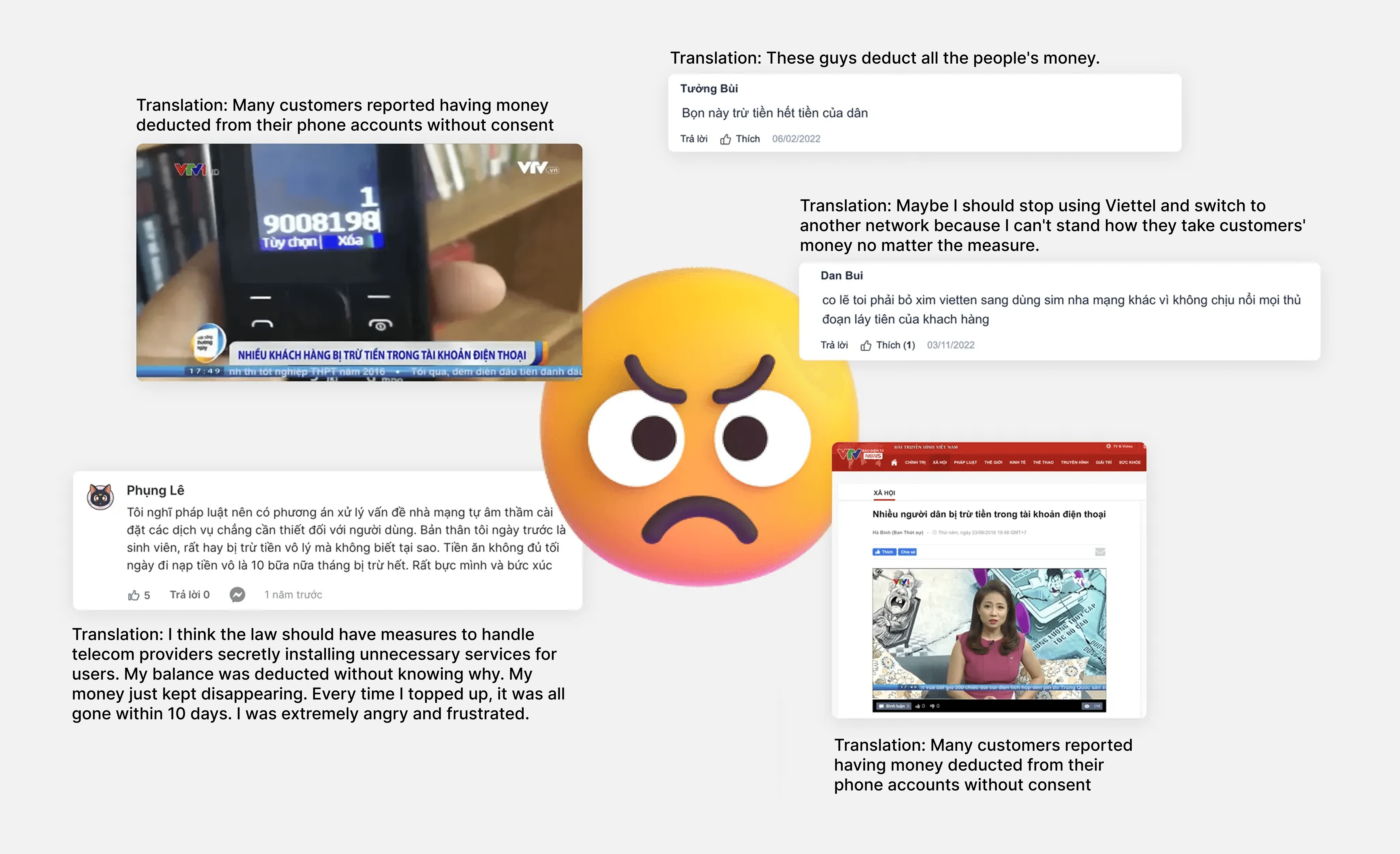
77%
68%
find managing their subscriptions inconvenient and confusing
distrust Viettel Telecom for unauthorized charges and lack of management system
USER INTERVIEW
Uncovering needs and frustrations from 40 telecom users across different age groups and digital literacy levels
The interviews revealed that many users struggle to access plan details via apps and often rely on SMS and USSD, which they find inconvenient and frustrating. They find the current app designs confusing and overwhelming due to the excessive number of touch points and texted-based information. Interestingly, many users of existing platforms even remain unaware of self-management features. Moreover, interviewed parents expressed the need for a simplified and intuitive design, as their children also interact with the app.
37
Seek a centralized place to manage subscriptions, view history, and modify plans effortlessly
33
Prefer visual breakdowns over text-based info logs
26
Find current design overwhelming and prefer a simple, straightforward design
35
Want an easy, quick-access way to check balance and track usage in real-time
COMPETITOR ANALYSIS
Analyzing competing telecom management platforms and e-wallets to learn their features, usability, and gaps

Mobifone Go
My VNPT

My Viettel

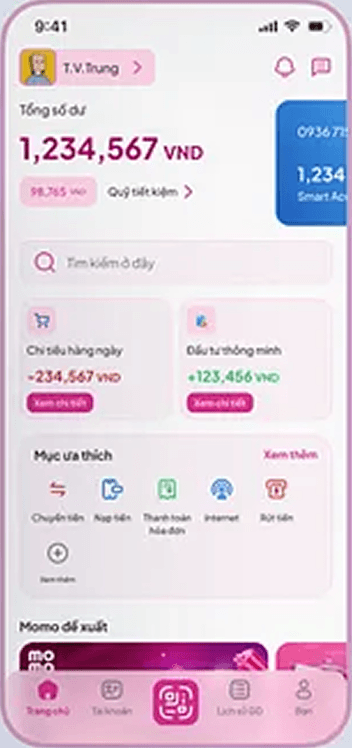
Momo
Zalo Pay